

Skin cancer prevention should not be restricted to the summer season. To help you stay vigilant year-round, I’ve gathered surprising skin cancer prevention insights from Schweiger Dermatology, a practice with more than 120 locations throughout NY, NY, NJ, PA, CT, FL, IL, MN and MO. Also featured, are sunscreen usage tips from Anne Riordan MD FAAD, a board certified dermatologist at Schweiger Dermatology Group in Creve Coeur, MO.
From a skin-saving SPF sunscreen to a glow-boosting primer, you will also find Beauty News NYC’s “top product picks” sunscreen routine.
Pro Sun Safety Tips
Schweiger Dermatology, PA, shares the following characteristics and habits, that in addition to skipping sunscreen, might make you more susceptible to skin cancer:
- Driving exposes your left side to intense rays. Car windows block most UVB rays but let in about 63% of UVA.
- Living in the mountains means higher elevations and less pollution, dust, and moisture, which typically reflect UV rays.
- Drinking a glass of white wine daily can increase your melanoma risk because of the compound acetaldehyde.
Schweiger Dermatology recommends the following skincare prevention practices: Wearing a broad-spectrum sunscreen with an SPF of 30 or higher every day will help protect your skin from cancer. Additionally, getting an annual skin check and conducting self-skin exams will enable you to catch anything concerning early. It is also important to “Keep an eye out for odd-looking moles or spots on your body, especially if you’re at increased risk from one or more of these surprising risk factors.”
Choosing and Using Using Sunscreen
How should one choose the right SPF sunscreen? Anne Riordan MD FAAD, a board certified dermatologist at Schweiger Dermatology Group in Creve Coeur, MO recommends reapplying a sunscreen with a minimum SPF 0f 30 every two hours when one is outside because “even in overcast climates there is still significant sun exposure, so reapplication is important.”
How much sunscreen should one apply? Riordon recommends applying 1 oz. of sunscreen to fully cover skin not covered by clothing, which is equivalent to filling a shot glass. Riordan does not have a sunscreen brand preference. Her main sunscreen concern is: “That people use it.”
A 2-Step Glow-Boosting Sunscreen Ritual
Here’s Beauty News NYC’s curated 2-step product routine to help you stay glow smart all summer.
Step 1: Prime Your Skin for Sunscreen with This Marine-based Calming Emulsion
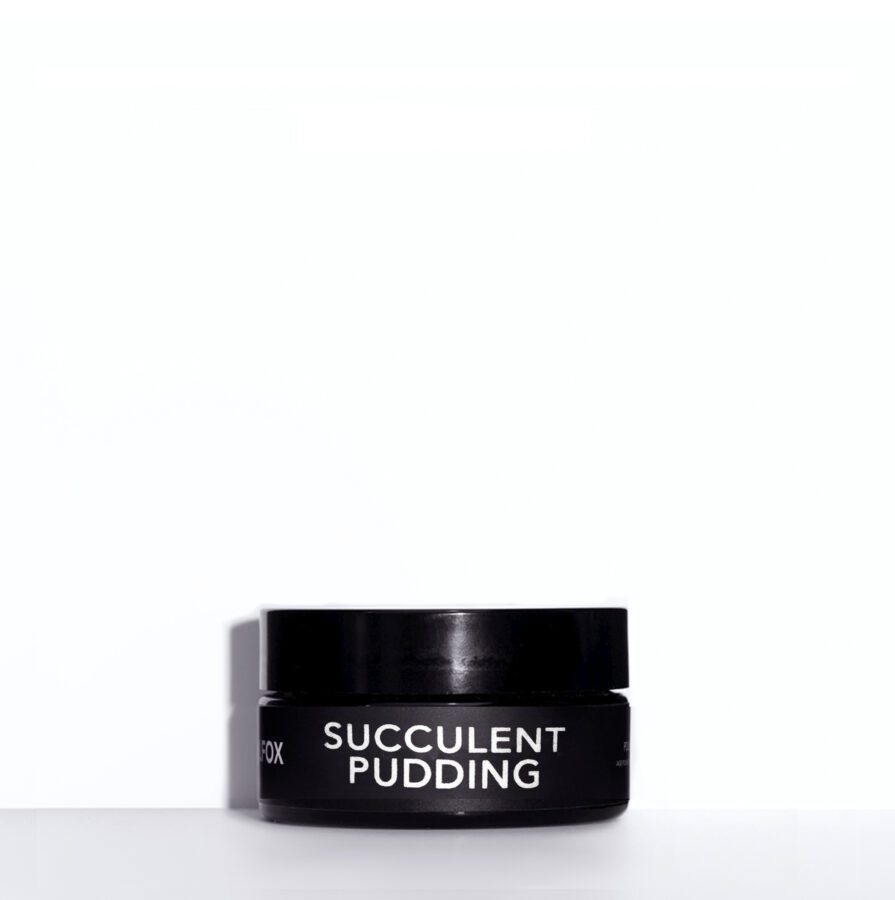
Succulent Pudding is a fitting name for Lilfox’s moist calming emulsion with a pudding-like creamy texture. It’s a tad bit pricy but a little goes a long way to prime skin for sunscreen application. Formulated with calming Sea Anemone Peptide, aloe, and hydration-increasing ceramides, Succulent Pudding serves beautifully as the final step before a sunscreen application.
Step 2: Kopari’s Bright As Day Sheer Mineral Sunscreen SPF 50 with Vitamin C & Niacinamide
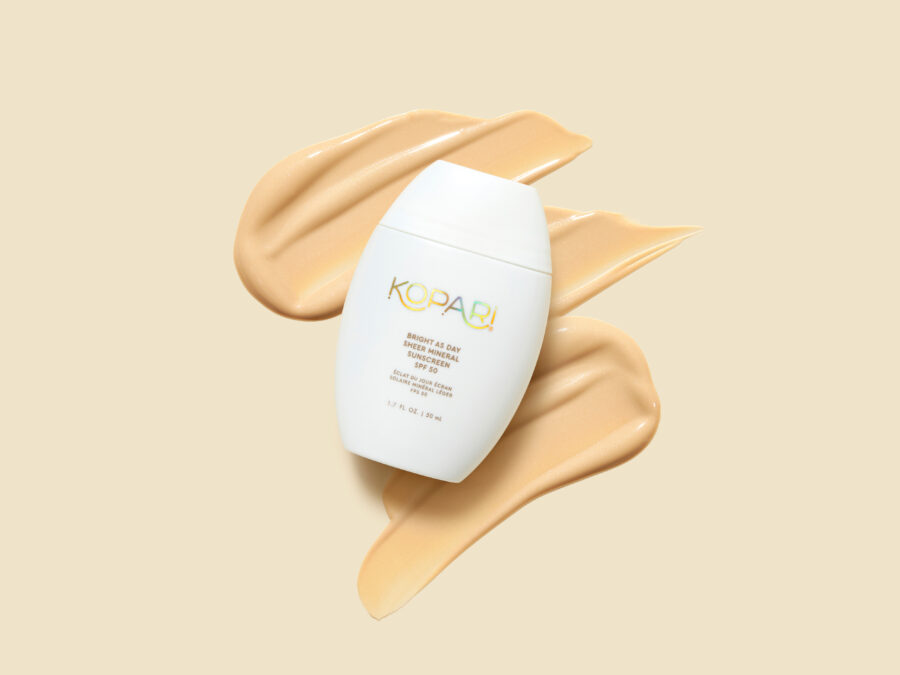
Kopari’s lightweight Bright As Day mineral sunscreen is sheer, doesn’t leave a white cast, and makes my skin glow with a dewy, natural-looking tint. An added plus is that is it formulated with Vitamin C and Niacinamide—two of my favorite skin-loving ingredients.
The not-so-positive news is that this sunscreen’s off-putting weird odor almost caused me to toss it, until I realized the odor vanishes completely after the sunscreen dries on my skin. I am more than willing to overlook the odd-smelling temporary scent because I love its super-flattering translucent wash of natural-looking sheer color. It casts a radiant glow on my skin after I’ve applied it.
If you wish to opt instead for a fragrance-free sunscreen, try Kopari Antioxidant Face Shield Daily 100% Mineral Sunscreen SPF 30.