
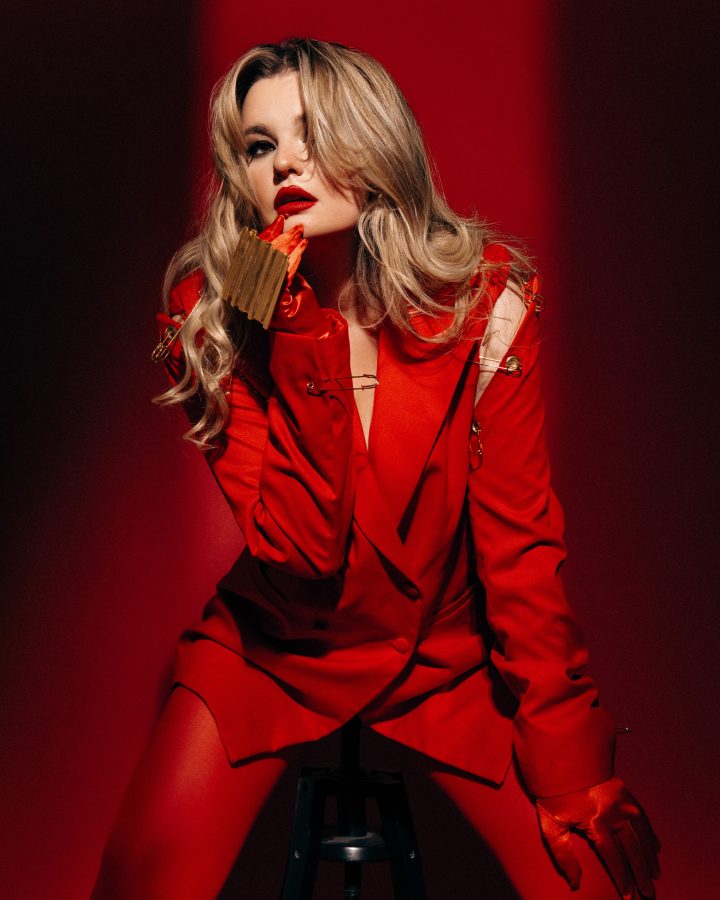
Katrin Kravc began modeling at 15 in Kazakhstan. She then branched out to design her own outfits because she wanted hands-on creativity with the clothing she wore. Kravc had to learn the basics of business as she launched her first brand in 2016, aptly called Kravc. In 2017, she premiered her line in Italy at a runway show, which imbued her with the confidence to leave her day job behind and launch her first atelier.
Her bold designs and schemes are full of thought, charm, and elegance. Kravc’s designs give women everywhere the feeling of elegance and power. This past February, I had an opportunity to meet Kravc and to speak with her about her fashion line and business, and fashion’s future trends.
Tell me about what brought you into fashion.
I started out in fashion at 15 as a model. That experience gave me a deep understanding of silhouette, movement, and how clothing transforms presence.
Growing up in Kazakhstan, I didn’t have access to the kind of pieces I wanted to wear. So I began sketching my own designs and working with local seamstresses. Eventually, I learned to sew myself and created my first dresses.
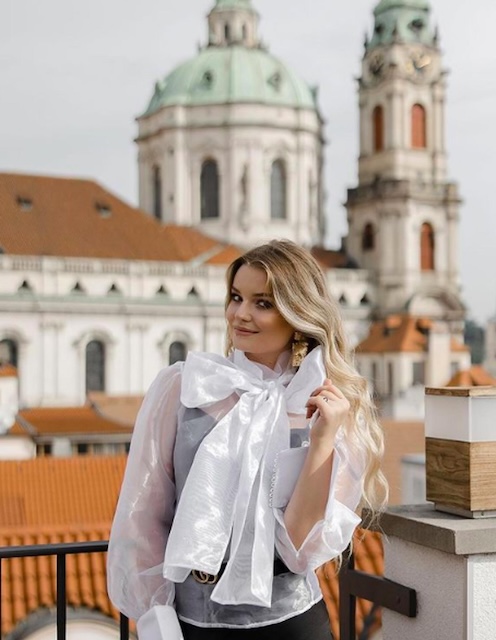
My debut runway show as a designer was in Italy in 2017. Two dresses were sold directly from the show, and that moment gave me the confidence to fully commit to fashion. I left my marketing career in Prague and opened my first atelier. For me, fashion is not decoration, it’s self-definition.
 Is there a difference between European and American fashion?
Yes and I see it mostly in the consumer mindset and cultural attitudes. In many European cities, people prioritize comfort, quality, and value. They care about how something is made, how it feels, and whether it will last; they’re generally less willing to overpay just because something is trending. Marketing matters, of course, but craftsmanship and practicality still play a major role.
In the U.S., fashion is more driven by visibility and culture, what’s popular on social media, what celebrities and creators wear, what goes viral. Sometimes trend and storytelling can outweigh quality.
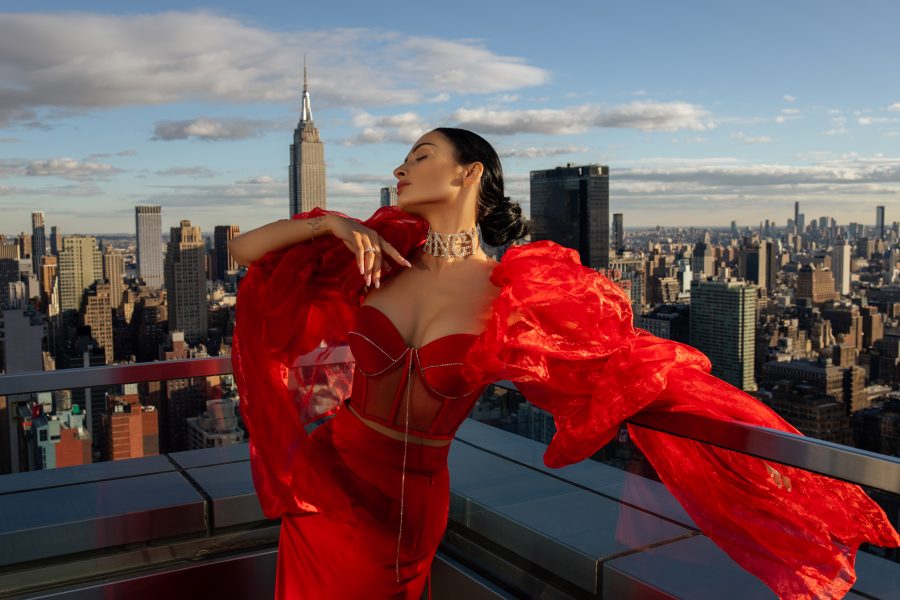
What I personally love about America is the freedom: you can be bold, expressive, and unapologetically yourself. Fashion in America feels more open and confident; it allows people to communicate who they are through clothing without holding back.
You launched your brand in 2016. What was that experience like?
In 2016, at 22, I launched my brand and shortly after opened my first atelier.
I started without deep business experience. I quickly realized that creativity alone is not enough. I had to learn production management, sourcing, pricing, marketing, sales, negotiations, and team leadership.
From the beginning, I chose to build my own production instead of outsourcing. Today, I operate two small production studios, one in Prague and one in Astana, the city I’m originally from. We produce in-house with my team and seamstresses, focusing on small batches, highly detailed construction, and often one-of-a-kind or limited capsule pieces.
There were serious challenges along the way, but they shaped my resilience and discipline. Looking back, I’m grateful for the people around me who supported the journey. Fashion taught me that talent opens the door but structure, leadership and strong teams build longevity. It’s a lifelong education, and I continue to grow with it.
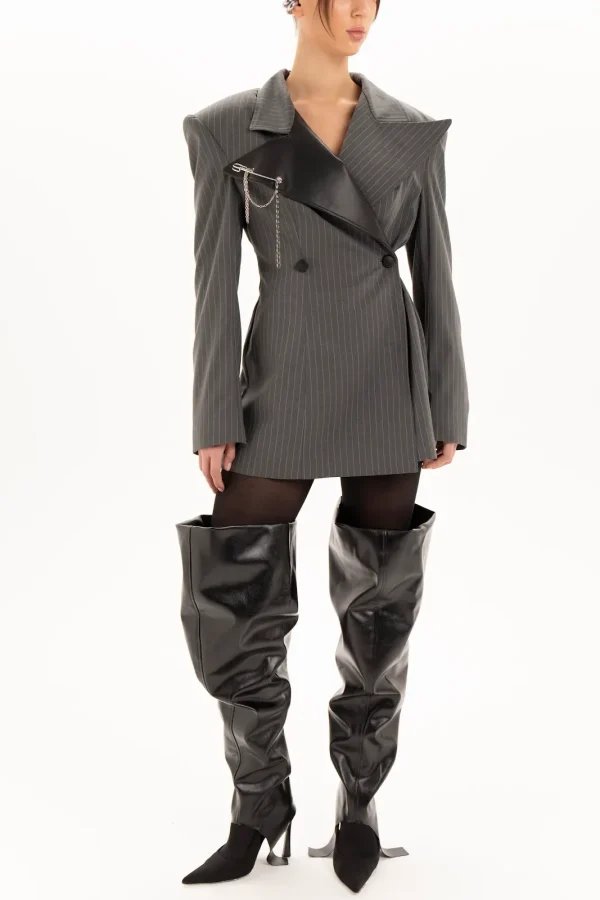 You are a stylist as well. What kind of approach do you bring to styling?
I work primarily as a fashion stylist for editorial shoots and magazines. I collaborate with photographers, strong creative teams, and experienced makeup artists to build impactful visual stories.
Celebrities and private clients often come to me when they want something more daring or expressive. I’m not drawn to minimal or predictable looks. I prefer bold compositions, unexpected combinations, and strong silhouettes.
My styling focuses on power, sensuality, and femininity but in a controlled, elegant way. I call it “elegant provocation.” I believe a woman can look powerful and seductive without being exposed.
I’ve worked as a stylist and creative director for Playboy magazine, including several covers. Even in a publication known for nudity, I chose to present women as confident and sophisticated, never vulgar. For me, styling is about suggestion, tension, and presence rather than exposure.
Your brand stands for women’s individuality, expression, and elegance. How important is that for you?
It’s fundamental. In today’s world, there is endless competition and visual noise. Clothing is no longer just something you wear, it’s a statement. It speaks before you do.
I believe garments should communicate character. Through my capsule collections, I create pieces that are bold, structured, and intentional. They are designed to express confidence, sensuality, and strength.
My clients often tell me they feel powerful, feminine, and fearless in my designs. They receive compliments, but more importantly, they recognize themselves in the mirror. That moment when a woman looks at herself and feels elevated is everything to me.
Fashion is not an easy industry. What keeps me moving forward is knowing that my pieces live beyond me, they travel, they are worn across different cities and cultures, and each one carries its own story. That emotional connection is what inspires me to continue building.
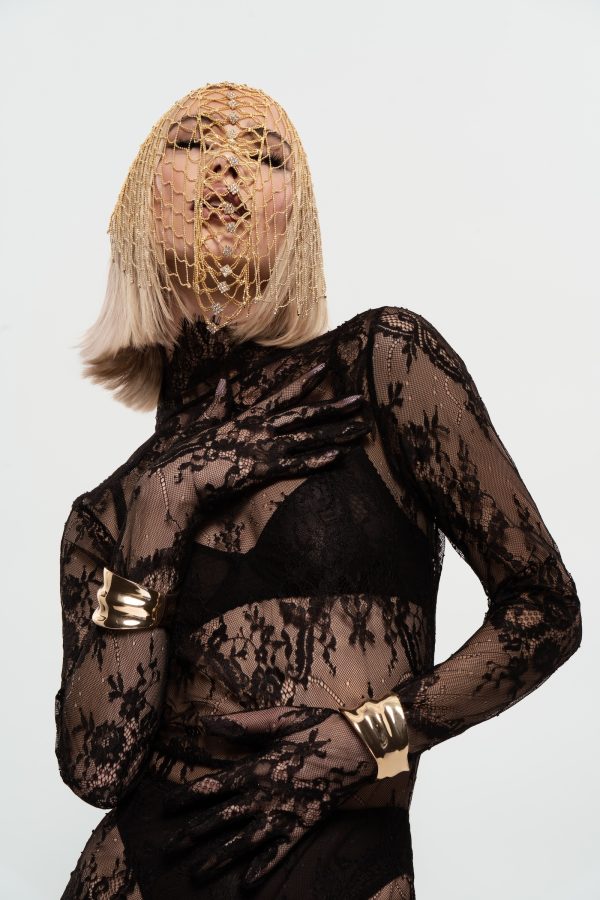
What is the next fashion trend?
Fashion and technology are already deeply connected, and that intersection will only grow stronger. AI, digital tools, and data are reshaping how we design, produce, and distribute clothing. But at the same time, there’s a parallel movement toward sustainability, craftsmanship, and individuality.
I believe the future trend is the balance between tech and human touch.
Smart production, but smaller and more controlled. Digital innovation, but with visible craftsmanship. Global visibility, but stronger personal identity.
The next era of fashion isn’t just about aesthetics, it’s about integration: fashion + tech + sustainability + individuality working together. That combination will define the future.
How do you think AI will affect the future of fashion?
AI is a powerful tool. It can support designers in research, forecasting, and production efficiency. But behind every AI system, there is still a human making decisions. AI does not create vision, it executes instructions.
In fashion, individuality and personal style remain essential. Technology can assist us, but it cannot replace intuition, taste, and emotional understanding. AI should be a collaborator, not a substitute.
Any advice for those who want to get into fashion design?
If I could speak to my 20-year-old self, I would say: don’t doubt yourself and don’t quit. Fashion is a long and demanding path. It requires resilience, discipline, and patience. But the feeling when you see your vision come to life when a woman wears your design and feels transformed is priceless.
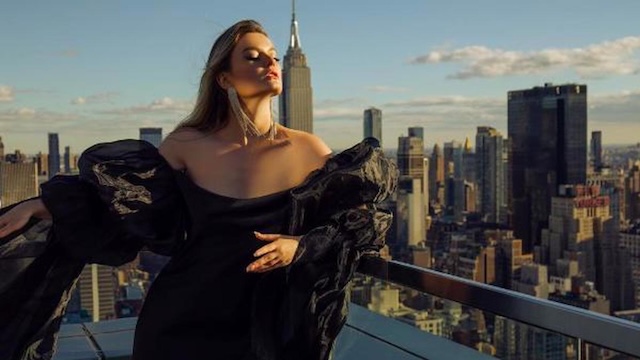
Participating in New York Fashion Week was once a dream for me. Even visiting New York felt like something far away. Being invited as a speaker on a panel discussion was beyond anything I imagined. A girl from Kazakhstan, who moved through Prague and eventually presented in New York, simply kept going despite doubts, setbacks, and uncertainty.
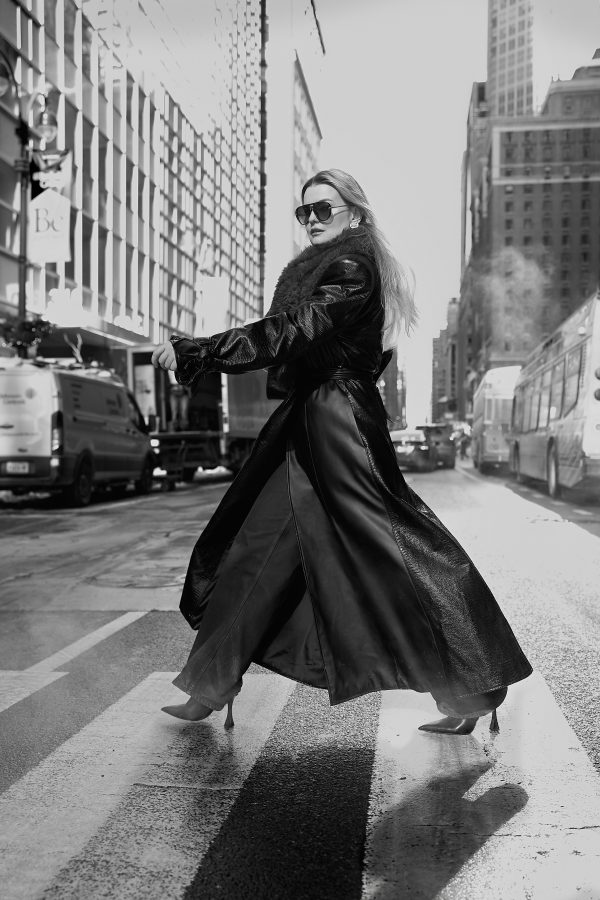
What made the difference was persistence and the people around me. I was always surrounded by those who believed in me and encouraged me to continue. And step by step, it worked.
My advice is simple: commit fully. Use your creativity. Use your imagination. Believe in your vision even when results are not immediate. Build a strong circle around you. Surround yourself with people who support you and challenge you to grow. And most importantly don’t be afraid to be visible. Don’t dilute yourself. Fashion rewards authenticity.
For more on Katrin’s fashions visit https://kravc.store/