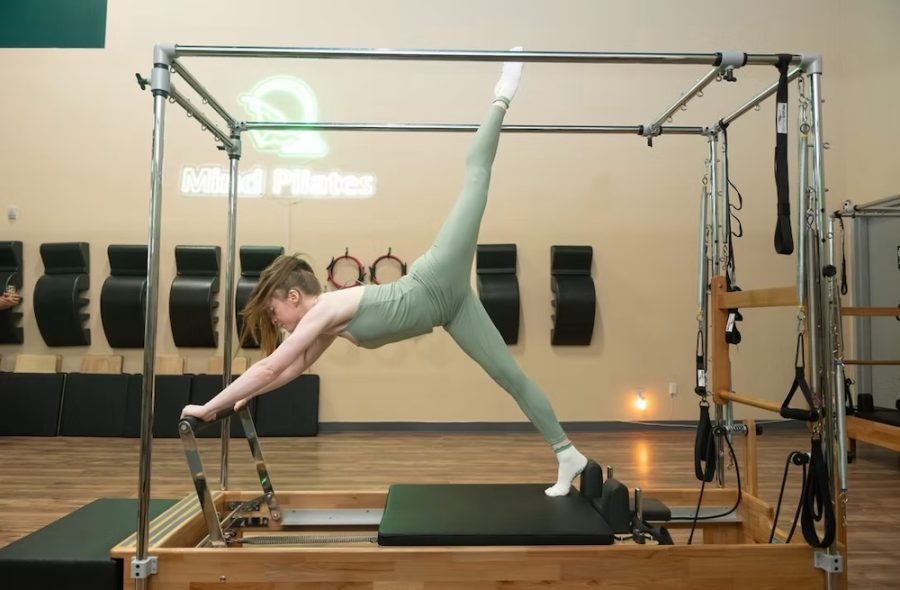
Step. Spinning. Zumba. Crossfit. TRX. Bikram. Aerial Silks. Rebounding. HIIT. Barre. Kettlebells. Kickboxing. In the endless cycle of fitness crazes and trendy workouts, we’ve all found ourselves obsessed with a few of these over the years and dropped a lot of cash for boutique gym classes, in addition to gym memberships and personal training sessions. One of the great ironies of modernity is the extraordinary effort required to stay healthy and fit amidst hectic, increasingly online and sedentary lifestyles. Of all the fitness routines that have remained evergreen since being founded 100 years ago is core-strengthening and spinal elongating Pilates.
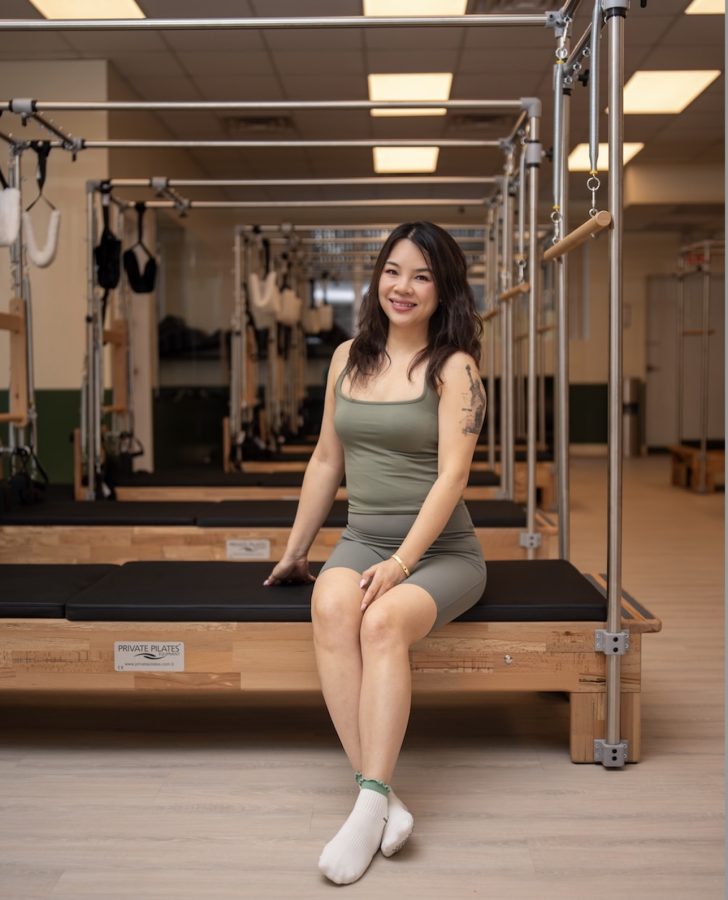
Though stereotyped as of late as a rich (thin) girl pasttime for Pink Princesses on Tik Tok and other social media platforms, Pilates’ origins are worlds apart from its elite reputation. Created by Joseph Pilates, a boxer imprisoned during WW1, the challenging regiment of mat and machine work preferred by ballet dancers and physical therapists is a workout that benefits all bodies, body types, and budgets. It’s a mission that Daisy Zhang, founder of Mind Pilates, the First Cadillac – Reformer Studio In Brooklyn & Queens, takes seriously after turning to it to deal with back pain.
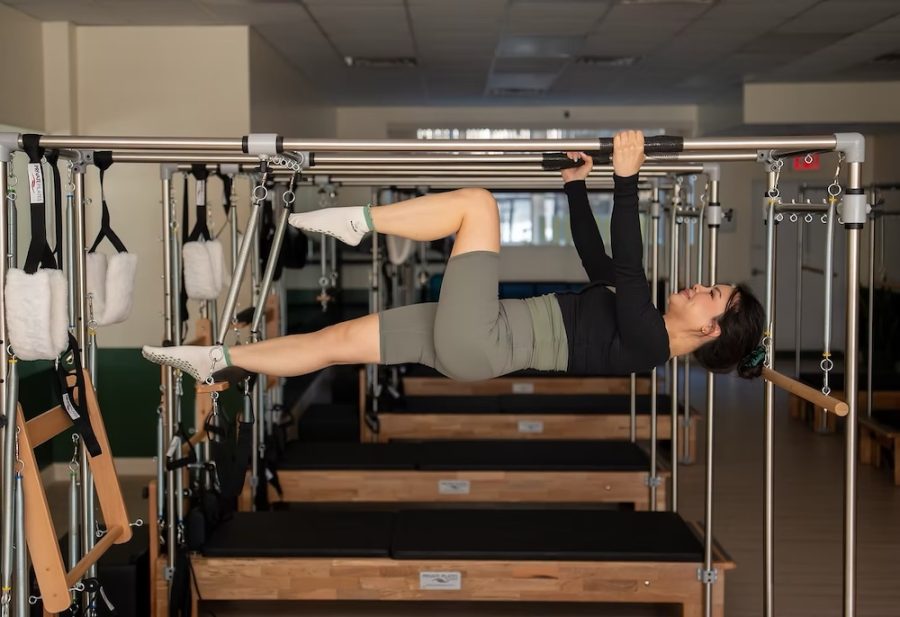 In late April, Zhang & Mind Pilates celebrated the Grand Opening of its second location, not in the elite environs of Tribeca, NoMad or UES, like most Pilates studios, but in Queens. Similar to the first outpost of Mind Pilates in Bushwick, the studio offers Pilates instruction exclusively on the Reformer and Cadillac for a variety of strengthening, elongating, and rehabilitating workouts with a $75 intro package of 3 classes and affordable memberships starting at $19/class.
It was my utmost pleasure to chat with Daisy about the weird perception of Pilates through the prism of the class war, the optimal Pilates regime, self-love. and navigating jitters for first-time Pilates students.
 Q&A with Daisy Zhang, Founder of Mind Pilates

 1. There’s so much discussion about Pilates on social media, and oddly, despite its origins, it’s characterized as a fitness/lifestyle choice for the wealthy? What’s the source of this? How do you correct this unfair reputation?
The perception of Pilates as an “elite” lifestyle is largely fueled by celebrity and influencer culture, alongside the luxury branding of boutique studios that often cultivates an air of exclusivity.
To rectify this narrative, we can showcase diverse, real people engaging with the practice, while shifting the emphasis toward strength and overall health rather than focusing solely on aesthetics.
2. What are the biggest and most common misconceptions about Pilates?
One of the most frequent misconceptions is that Pilates is exclusively for women. In reality, Joseph Pilates originally engineered this method during WWI as a rehabilitation system for injured soldiers. To challenge this narrative, I make a point of hiring male instructors; we welcome male students every day, which is a rare sight in many other Pilates studios.
3. Can you explain the difference between Pilates mat, Reformer, and Cadillac workouts?
Mat Pilates
- Done on the floor, no machines
- Uses your body weight
- Great for core strength and basics
- Often harder than it looks
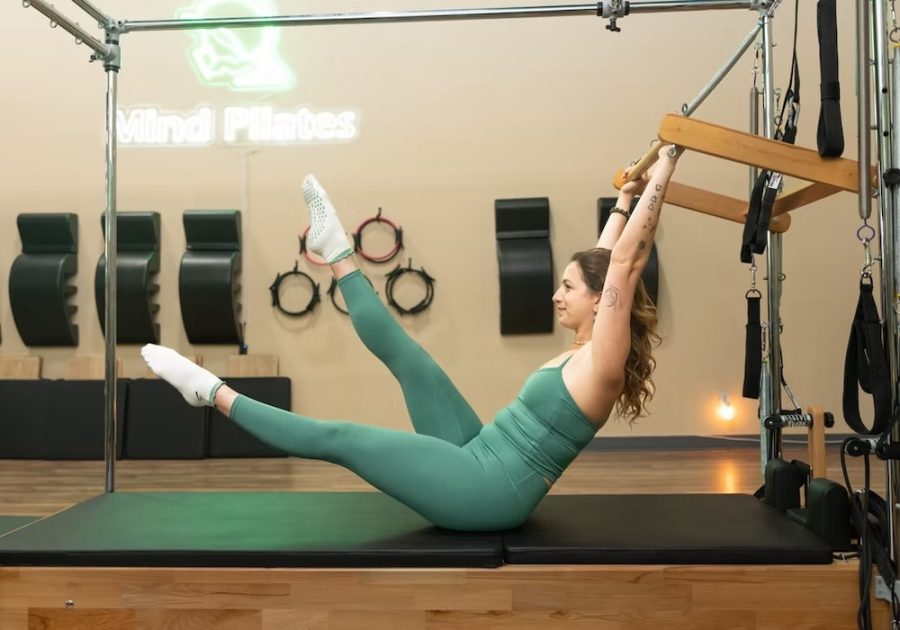
Reformer Pilates (uses the Pilates Reformer)
- Sliding machine with springs
- Adds resistance and support
- Good for strength, control, and variety
Cadillac Pilates (uses the Pilates Cadillac)
- Large table with bars and springs
- Most supportive and customizable
- Often used for rehab or deep stretching
4. What would you advise for those who are interested in Pilates but self-conscious about starting a new fitness regime?
My primary recommendation for anyone feeling apprehensive is to begin before you ever feel truly “ready.” The beauty of Pilates is that it is designed to meet your body exactly where it is today; a supportive studio environment will provide step-by-step guidance, completely free of judgment or preconceived expectations.
5. What are your favorite viral social media lifestyle, wellness, and fitness trends/hacks? Which viral, social media hacks do you think are the most dangerous?
I am particularly fond of the current waves of self-love and empowerment that prioritize authenticity over perfection. However, I find the trend of treating the Reformer like standard gym equipment to be quite hazardous; it often completely disregards the core fundamentals established by Joseph Pilates, which are essential for safety and efficacy.
6. What’s the ideal number of Pilates classes/sessions you’d recommend to get in shape for beginners, intermediate, and advanced students?
Ideally 2-3 times per week.
7. What sparked your love of Pilates? What motivated you to become an entrepreneur and open up your own Pilates studios?
I first discovered Pilates while trying to relieve my back pain, and I was surprised by how effective it was. That experience made me want to understand the method more deeply, so I enrolled in a teacher training program. My goal was to share this powerful practice with others who might be dealing with similar pain or physical challenges.
After completing my training, I looked for a studio to work at, but couldn’t find one that truly aligned with my values or felt like the right fit. That’s what inspired me to open my own Pilates studio. I wanted to create a space that feels supportive, thoughtful, and comfortable—because if it feels right to me, I believe my clients will feel the same.
8. There are several schools in Pilates – classical vs. modernism. Where do you land on this range?
Right in the middle—with a slight lean modern. The original system is incredibly well-designed, but modern approaches do a better job accounting for injuries, different body types, and current movement science.
9. What are the most interesting and important lessons you’ve learned from working with your Pilates students over the years?
I’ve learned that creating a supportive environment matters just as much as the exercises themselves. People improve more when they feel safe, understood, and not judged. That trust is what allows real, lasting change to happen.