
 Sunscreen. We all know we need it. After years of dogged skin care education from doctors and aestheticians over the decades, its necessity for all skin types and complexions is well-documented. But how much and which formulations are best for various skin care concerns requires additional exploration and expertise, especially as the debates and confusion about physical vs chemical sunscreen rage on. For a deep dive into the latest news and trends surrounding sun protection, I was lucky enough to again chat with Board-Certified Cosmetic Dermatologist Dr. Michele Green who specializes in treating sun spots and other sun exposure-related conditions at her Manhattan practice.
Q & A with Dr. Michele Green

1. Bemotrizino, or BEMT, a sunscreen filter that’s been widely used in Asia and Europe for decades was just approved last year for stateside use. Why is this news?
Bemotrizino is a chemical sunscreen filter used to protect from harmful UV rays. It is a broad-spectrum filter, meaning it protects against both UVA and UVB rays. While other chemical filters break down with prolonged exposure to sunlight, bemotrizino remains stable, providing long-lasting protection. Additionally, it has a lower risk of skin irritation than other chemical filters.
2. What other sunscreen innovations should/can we expect in 2026?
One sunscreen innovation we can expect in 2026 is anti-aging sunscreens. Many brands are focusing on creating sunscreen products that also contain anti-aging ingredients like peptides, NAD+ boosters, and vitamin C to repair damage while simultaneously protecting the skin from further damage. Another innovation we may see in 2026 is the elimination of the white cast with mineral sunscreens.
3. Some still think that sunscreen isn’t needed during the colder months. What other sunscreen myths still need to be addressed?
Even though it may be cold, the sun is still in the sky, delivering harmful UV rays to the skin. UV rays can penetrate the clouds and damage skin. It is especially important to wear sunscreen when it is snowing or while skiing or snowboarding, as UV rays can reflect off the snow and ice, hitting your skin twice.
 4. On social media platforms, several influencers claim that the often referenced benefits of physical sunscreens – zinc oxide and titanium oxide-based formulations – over chemical ones are false. What is the scientific consensus on the issue?
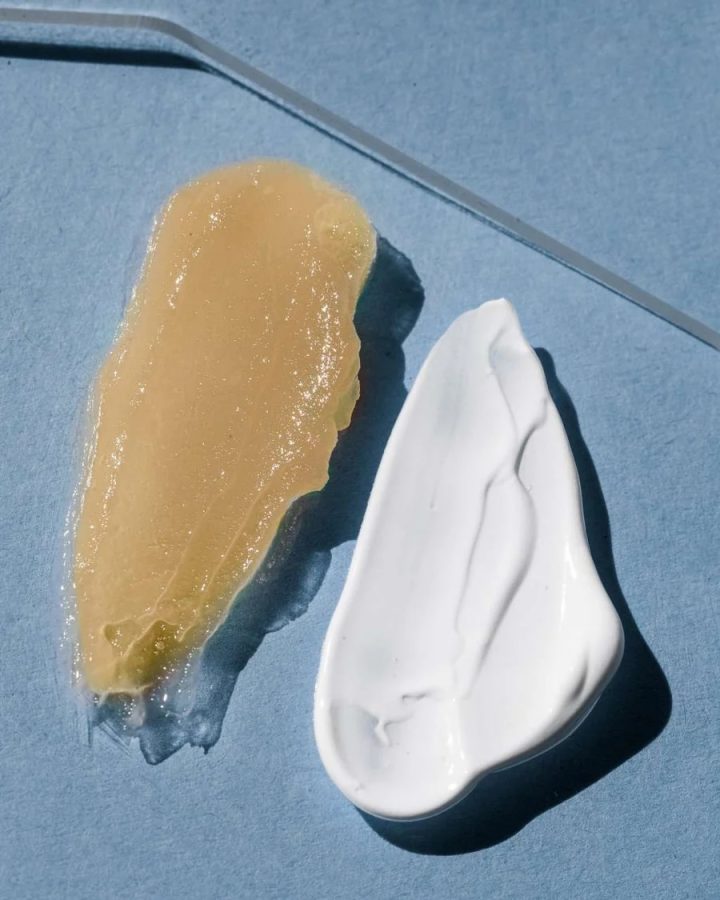
Both physical and chemical sunscreens are effective at protecting against the sun. Physical sunscreens create a barrier on the skin to prevent UV ray penetration. Chemical sunscreens absorb UV rays, convert them into heat, and expel them from the body.
Many individuals prefer physical sunscreens because they tend to be less irritating than chemical sunscreens. However, physical sunscreens are also known for creating a “white cast” on the skin. Both physical and chemical sunscreens are highly effective at protecting against the sun, and individuals can use either, provided they are broad-spectrum to protect against both UVA and UVB rays.
5. How do different types of sunscreens benefit particular skin types?
Mineral sunscreens are often better for dry skin because they are often formulated with fewer irritating ingredients and more hydrating ingredients. Mineral sunscreens are also typically better for those with oily or acne-prone skin, as they often provide a matte finish and are non-comedogenic, meaning they do not clog the pores.
Chemical sunscreens are well-suited for people with normal or combination skin types. They are ideal for those with darker skin tones, as they blend into the skin easily and typically do not create a white cast.
6. Is it true that iron oxide-based sunscreens are the most beneficial for treating melasma?
Tinted sunscreens with iron oxide have been shown to be highly beneficial for individuals with melasma. Iron oxide is a physical sunscreen that creates a protective barrier on the skin; it also blocks visible light, a known trigger for melasma.
7. As more makeup brands market their products as skincare, does an SPF 15 in foundation count significantly towards the overall recommended level of sun protection?
No, it does not. The ozone layer has become thinner, allowing stronger UV radiation to penetrate the atmosphere. SPF 15 is very low and typically does not provide adequate sun protection.
SPF in foundations is often not as effective as a standalone sunscreen, as you would have to apply a large amount of foundation to achieve the labeled SPF rating. It is always best to first layer a sunscreen with an SPF of 30 or higher in the winter, or 50 or higher in the summer, followed by any foundation or makeup.
 My Favorite Sunscreens
In the spirit of Dr. Green’s explanation of chemical vs physical suncreen, a curation of the most cutting-edge sun protection formulations for all skin types.
Face Reality
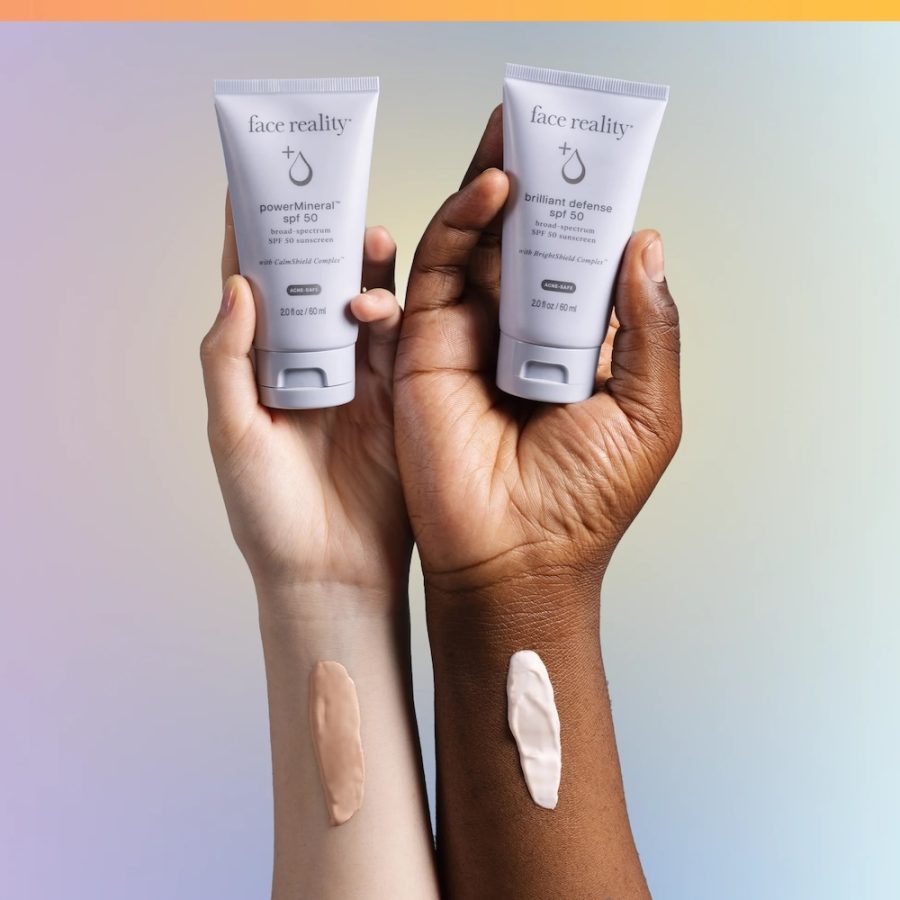
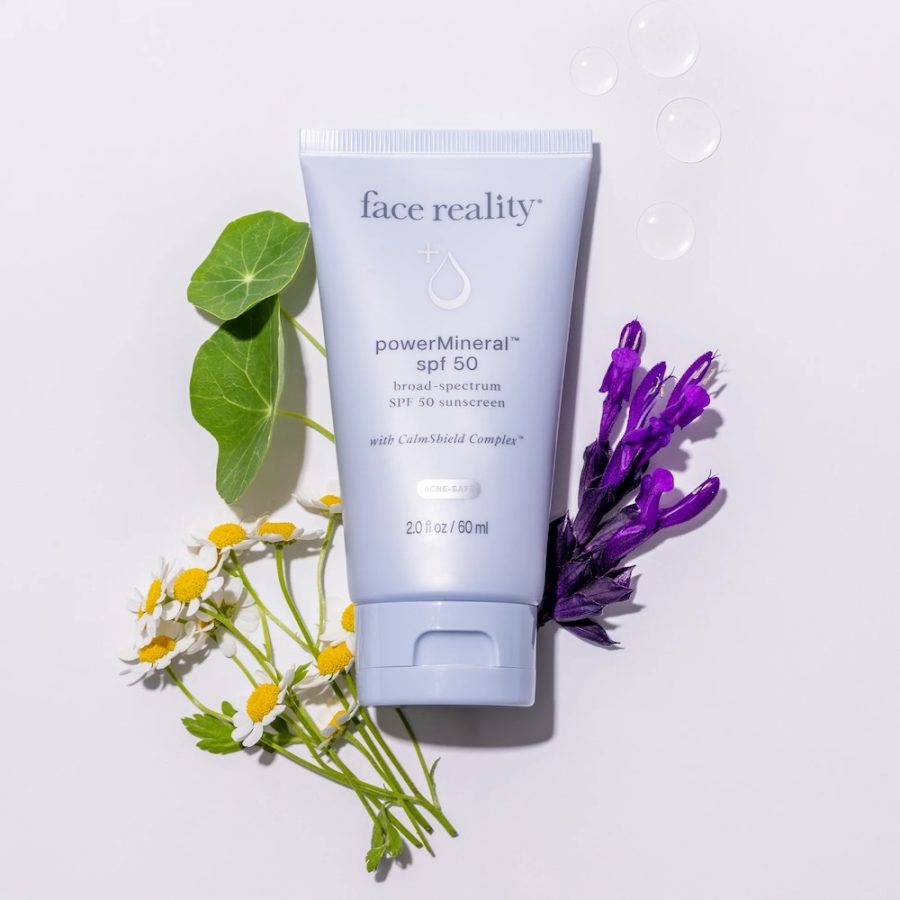
Face Reality, the award-winning, clinically-based acne brand committed to treating acne on the face and body with a network of certified skincare specialists and personalized product regimens, is as committed to sun protection as killing the bacteria responsible for most breakouts. Given the benefits of physical sunscreen for oily, acne-prone, and hyperpigmented complexions, Face Reality offers a tinted mineral sunscreen formulated with soothing botanicals and iron oxides that leaves no white cast. PowerMineral SPF 50 delivers broad spectrum, anti-redness, anti-inflammatory coverage perfect for all skin tones, and dries down without an oily finish.
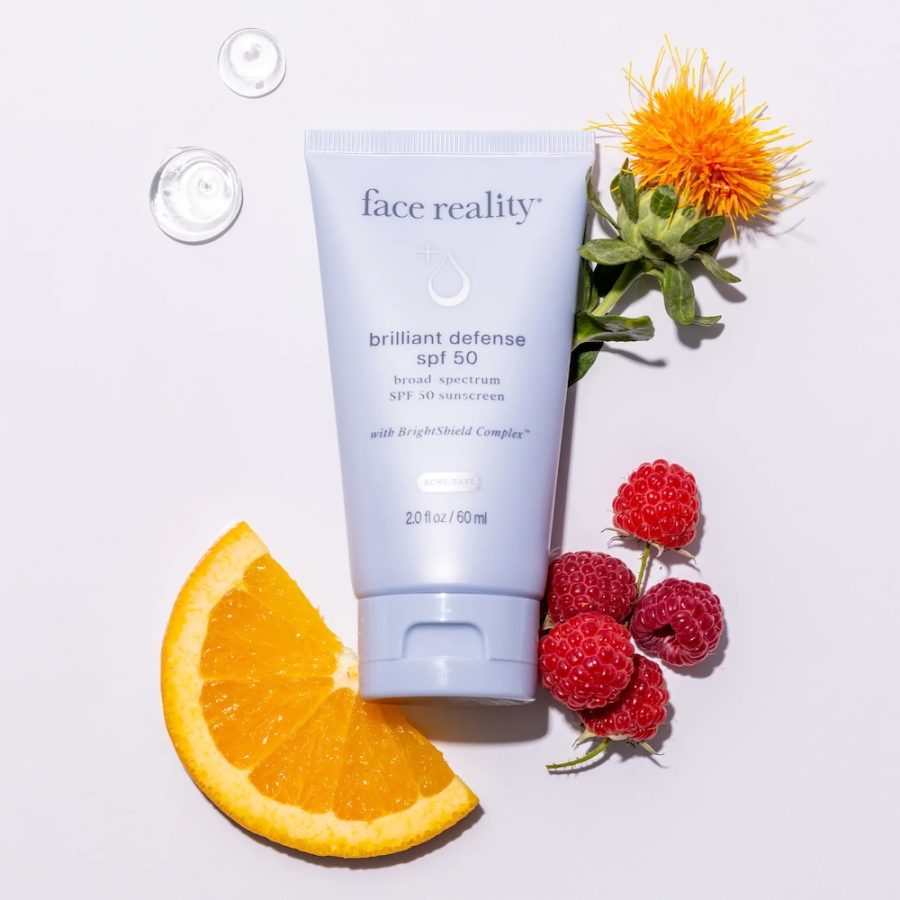
 For those who prefer chemical formulations with an additional layer of hydration, Brilliant Defense SPF 50 bolsters sun coverage with a proprietary Bright Shield botanical complex and radiance-boosting ingredients for a luminous finish that gives even-toned radiance to fare and deep complexions alike. As with all of the products in this treatment plan, a consult with a Face Reality Certified Skincare Professional is required to start the process.
 Sonrei
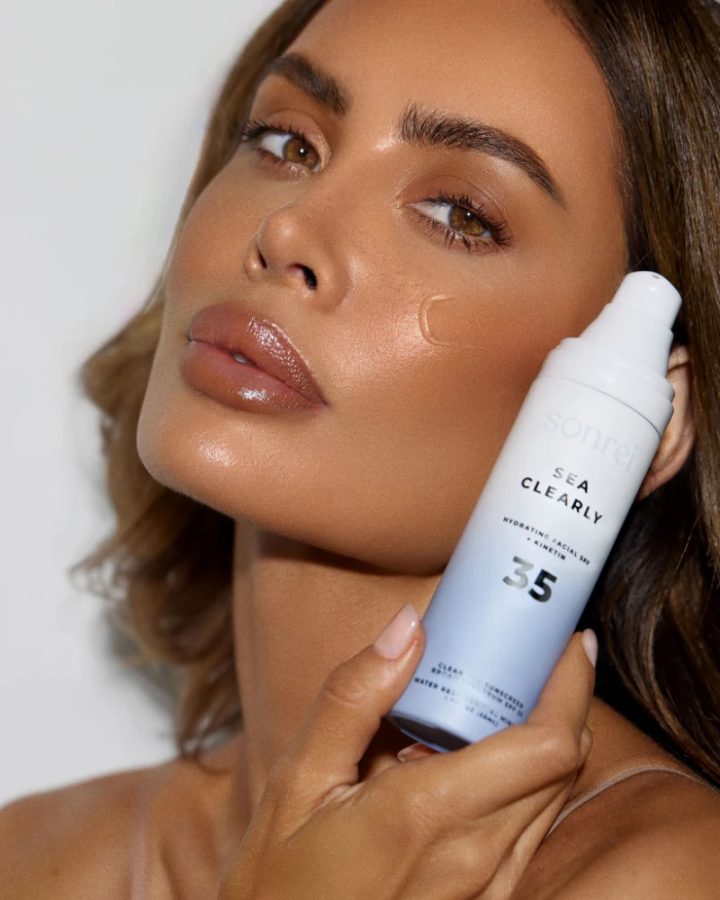 Equally formulated for active, outdoor lifestyles as for daily wear, Sonrei offers several cutting-edge physical and chemical sunscreens, all of which contain a Triple Antioxidant Complex of Vitamin C, Vitamin E and Ferulic Acid. It’s supported by their proprietary Organoshield Technology, a waterless base for maximum concentration, potency, and delivery of actives. The recently launched Clearly Zinq SPF 60 Gel Mineral Sunscreen gives 100% physical coverage for all skin types and tones (with minimal to no whitecast on most complexions if massaged fully). With a level of sun protection rarely seen for a universally flattering emulsion, the waterless formulation pays off brilliantly. Sonrei’s Organoshield is as fundamental to the Sea Clearly SPF Clear 50 Gel Sunscreen. With a soothing serum-like consistently, it melts into the skin with barely-there chemical protection.
Previous Skin Care Q&As with Board-Certified Cosmetic Dermatologist Dr. Michele Green:
Skin Care Primer With Board-Certified Dermatologist Dr. Michele Green: The Lip & Eye Care Edit