
Jeena Yi’s playwriting debut, JESA, paints a complex portrait of family, tradition, and identity. The show features the reunion of four sisters, gathering to honor their deceased parents with a traditional Korean ritual.
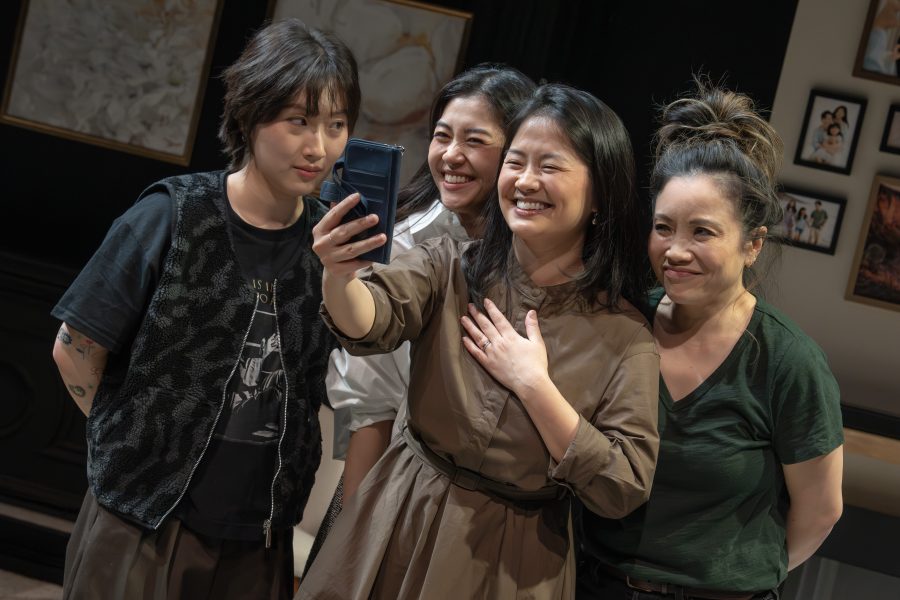
Our host for the midnight affair is second-oldest Grace (Shannon Tyo), who leads a seemingly picture-perfect life in her suburban Orange County home. Arriving right on time is Elizabeth (Laura Sohn), who, despite being the youngest, is the wealthiest of the four with a swanky finance job. The unnie—Korean for older sister—of the family and a restaurant chef, Tina (Tina Chilip), enters next with her motorcycle and a bag full of booze. And finally, the third sister, artist Brenda (Christine Heesun Hwang), rounds out the group, having just flown in from NYC.
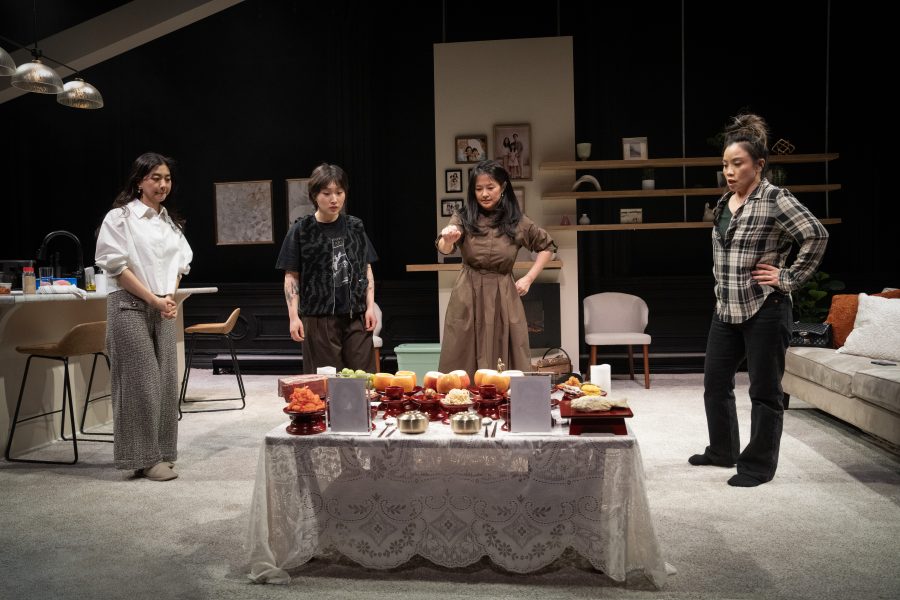
It’s the first time they’ve been together in a long time, and the four attempt to work together to perform a ceremony they barely remember the steps of. What is supposed to be a sacred practice turns into a night of burnt shrimp, pointed knives, slightly spooky encounters, and, eventually, honesty. When you had complicated relationships with the deceased, what does it mean to honor them?
On the surface, JESA is a dysfunctional family comedy-drama, with enough surprise to make you gasp and enough tenderness to make you cry. Told in real time, it covers a lot in its 90 minutes: complex relationships with parents, the pressure to be a perfect daughter in an Korean-American household, what it means to be Asian enough. There’s a chance for it to push cliche, but it surprisingly never hits that point; it’s the sister dynamics and quick-tongued dialogue that makes JESA feel fresh. Yi’s writing is genuine and raw, and the characters are rich, with flaws that unearth themselves as the show goes on.
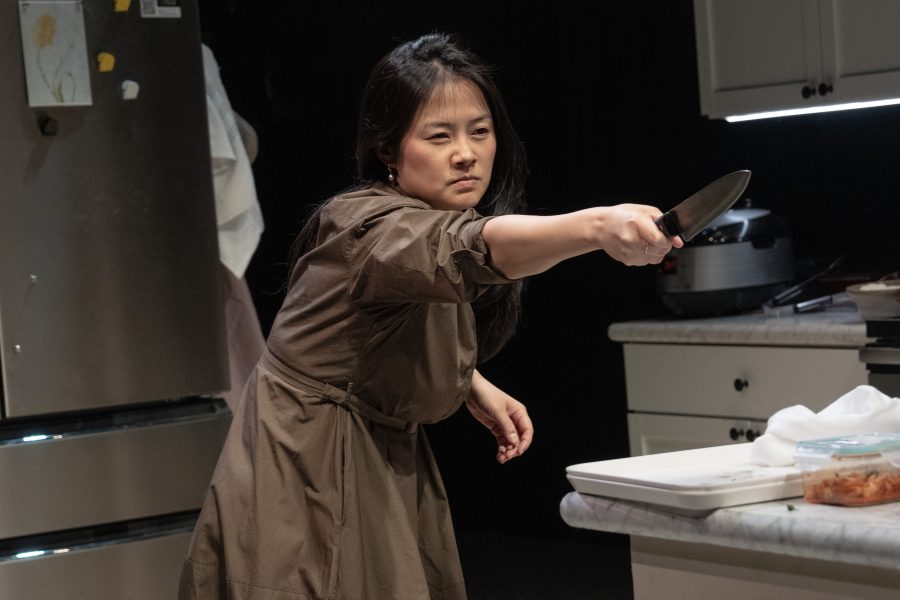
The show saves much of its emotional weight for the final act, and while the payoffs land, I wished they had more room to breathe. Type-A Elizabeth initially feels like a clone of Grace, but she has her own problems, and her character would’ve been stronger if these were explored more toward the beginning. Grace is too scared to let anyone get too close, but she ends up holding the audience at a distance as well, until the last 15 minutes.
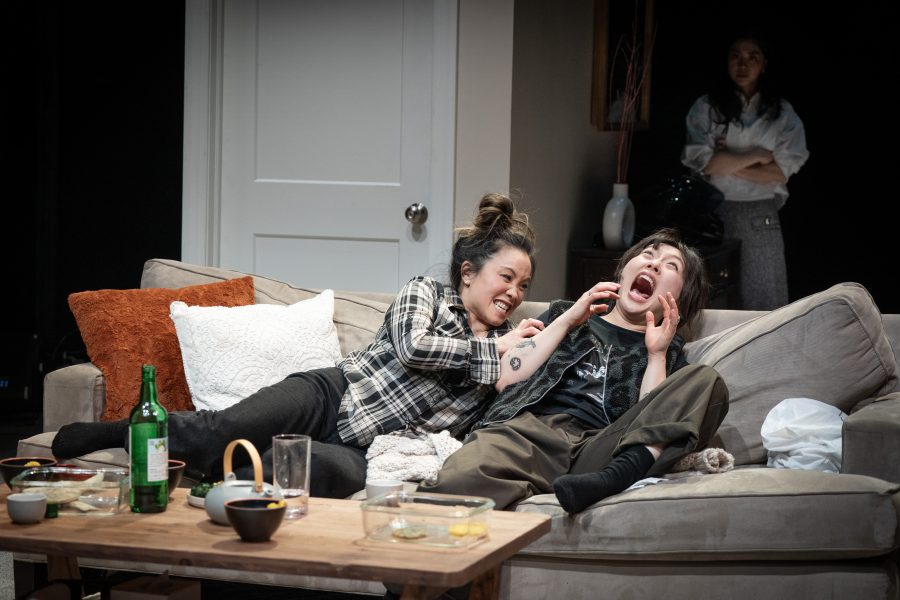
There are moments of rage, frustration, and anger, but there is always sisterhood beneath the cracks. I found the relationship between Tina and Brenda especially endearing. As the two sisters who, by their parents’ standards, pursued untraditional paths, they understood each other, and Chilip and Hwang’s performances felt lived-in as they laughed and teased each other.
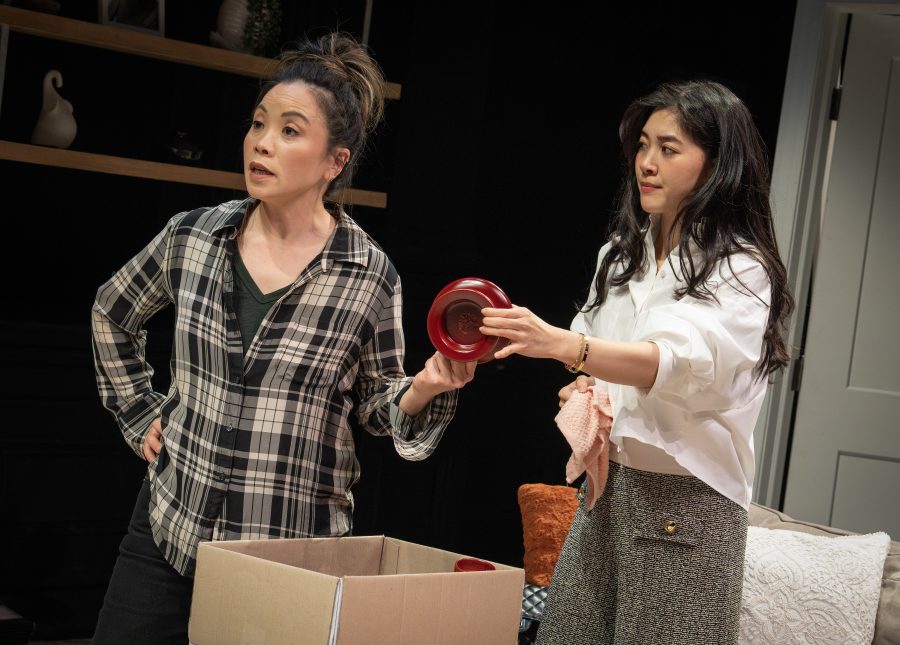
JESA is also a story about tradition—the ones we keep, and the ones we modernize. When Elizabeth refuses to call Tina unnie, even Brenda, with her laid-back and easygoing attitude, steps up to correct her. Jesas are traditionally performed by men, but here we see Grace cutting the fruit and taking out various banchan from the fridge. Tina wipes down the red plates as Elizabeth and Brenda assemble the table. The sisters argue over what the correct order of the jesa is, and they grumble through the process, but they all still do it, repeating the process of bowing, pouring, and placing. When it comes to traditional expectations—the kind of job you should have, who you can fall in love with, what your parents pass down—the women tread their own paths.
 As an California-raised Asian-American, I saw myself in parts of JESA. There’s a scene where Grace gets a call from one of their aunties, and the girls smile and nod along, having lost the ability to respond in Korean. It hit home for me on familial guilt, parental expectations, cultural traditions, and made me reflect on my own relationship with my grandfather, who passed away two years ago. If you’re Asian-American, from an immigrant family, or have sisters, you’ll have something to relate to in JESA.
Bring tissues.
Jesa runs until April 12 at The Public Theater. Running time: 90 minutes. Tickets: https://publictheater.org/productions/season/2526/jesa/