 If you spend time on TikTok and your algorithm feeds you content similar to mine, you have almost certainly encountered the resurgence of the 2016 aesthetic. Within this trend, creators use music, photo collages, filters, and nostalgic visual cues to recreate and glamorize the look and feeling of 2016. Videos often feature Pinterest inspired imagery such as messy buns, chokers, faded filters, and stylized Tumblr content that immediately signal the era.
As someone who lived through and fully participated in the original 2016 trends as a young teenager, I find it fascinating how accurately these videos capture not just the aesthetic, but the emotional atmosphere of that time. This revival feels less like a costume and more like a return to a mindset that many creators and viewers deeply miss. To better understand why this era is resurfacing so strongly in 2026, I interviewed three creators, @ken3kitty, @destinyanai, and @toska.archive, who actively engage with and cultivate the 2016 aesthetic to explore what inspires their content and how they believe it fits within today’s cultural and social media landscape.
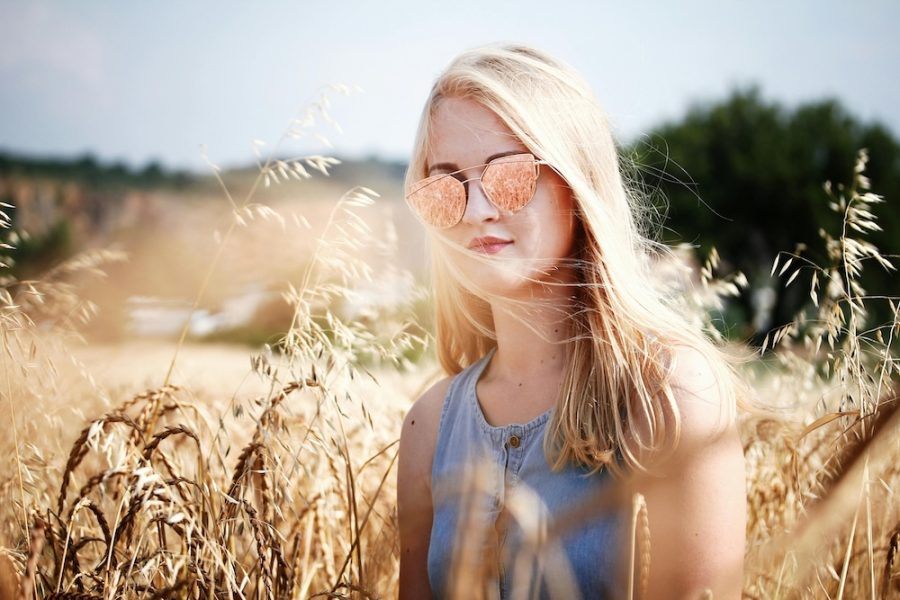
In the third and final installment of this “Is it 2016 or 2026? My FYP is Getting Confused” series, I explore this turn to nostalgia with otoska.archive, a content creator who specializes in tracking and archiving media and fashion trends.
 1. When people say “2016 vibes,” what does that mean to you aesthetically or emotionally?
When people say “2016 vibes,” I think of a carefree, less filtered aesthetic and a sense of optimism before things got serious.
2. What’s one very specific 2016 trend you think people misremember or oversimplify?
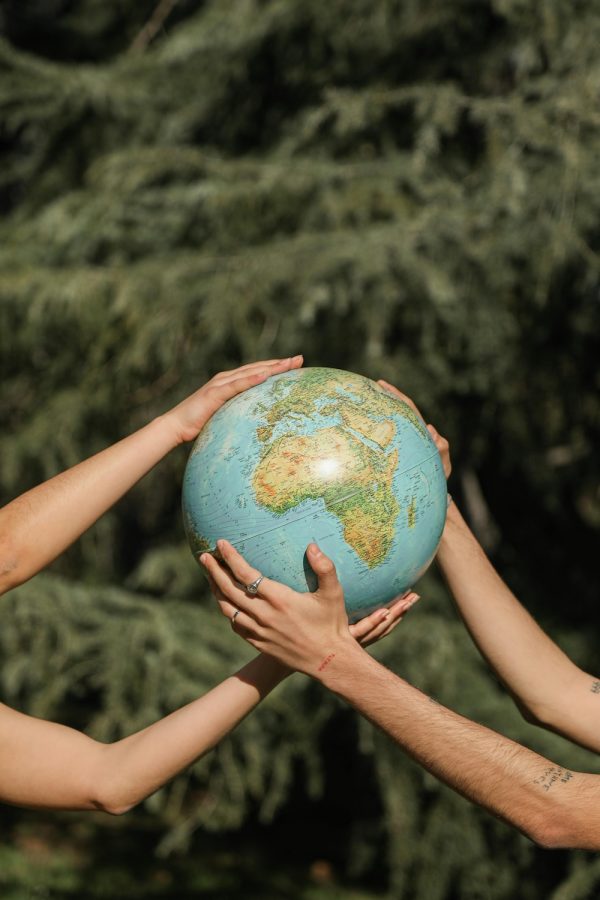
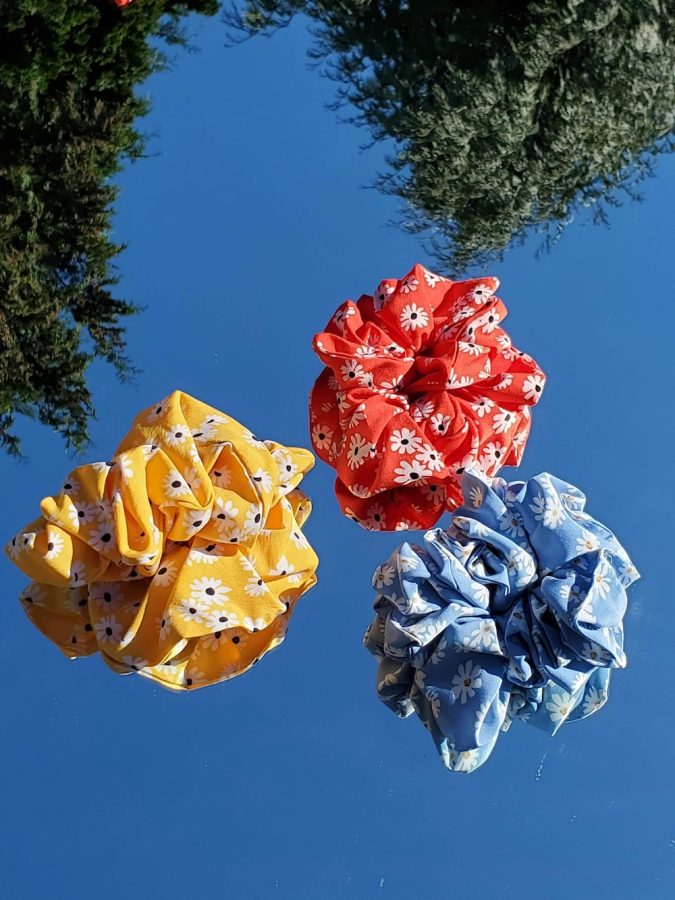
One trend people oversimplify is the VSCO girl thing. It wasn’t just about scrunchies and Hydroflasks. It was a whole lifestyle connected toward nature and environmentalism.
3. Do you think 2016 was actually better, or did it just feel lighter because of where we were culturally?
2016 felt lighter because social media was less performative and we were all new to this era of the internet.
4. Do you see this as nostalgia, rebellion, comfort, or something else?
Creators are reaching back to 2016 for a mix of nostalgia and comfort, seeing the progress they have made in their lives so far.
5. How does posting in a “2016 style” perform compared to hyper polished 2026 content?
Posting in a “2016 style” seems to perform well because it feels relatable compared to the overly polished content most creators post today.
6. Do you feel freer or more restricted posting throwback style content today?
I definitely feel freer posting throwback style content because it’s fun to look back at pictures and listen to songs that bring back personal memories.
7. If 2016 TikTok existed back then, what do you think creators would’ve done differently?
If 2016 TikTok existed, creators would probably have focused more on being unique and artsy than on chasing trends.
8. What visual cues instantly signal “2016” to your audience?
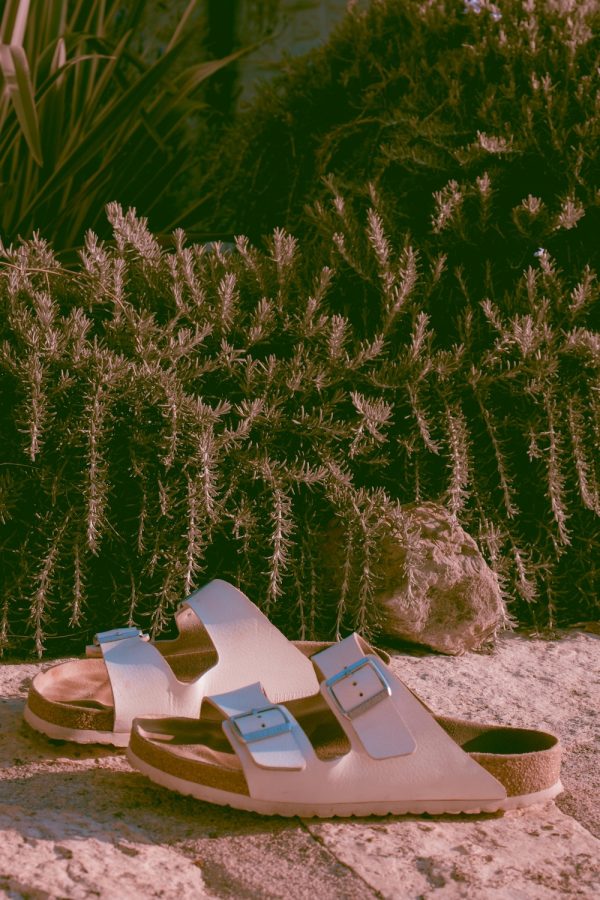
Visual cues that instantly signal “2016” are things like the Rio De Janeiro filter, grainy photos, and fun bright colors like teal and coral.
 9. Are there any 2016 trends you refuse to bring back?
I know this is not really a trend, but the prominent plastic surgery most celebrities like the Kardashians were getting promoted everyone to feel a certain way about their own features. Although this did not change much today, I see a lot of content about body positivity and people calling out when others lie about surgery.
10. What’s one 2016 trend you think actually deserves a serious comeback?
One trend that deserves a comeback is VidCon.
11. Do you think creators felt more “themselves” online in 2016 than they do now?
I think creators felt more themselves online in 2016 because most people came online to express their creativity. Now most come on to build a platform and have careers.
12. Has bringing back 2016 vibes changed how you feel while creating?
Bringing back 2016 vibes has made creating more fun and has brought back good memories.
 13. Is this trend about nostalgia or about reclaiming a version of ourselves that felt less surveilled?
This trend is definitely about reclaiming a version of ourselves that felt less surveilled and judged.
14. How do Gen Z vs Gen Alpha audiences respond to 2016 aesthetics?
Gen Z audiences respond to 2016 aesthetics with a mix of nostalgia and curiosity, while Gen Alpha is discovering it for the first time.
15. Are you creating for people who lived through 2016 or people discovering it for the first time?
I’m creating content about 2016 for both. As someone who was young during 2016, I feel like I’m doing both at the same time. [sic]
16. What do you think people in 2036 will be nostalgic for from right now?
I think people in 2036 will be nostalgic for the early 2020s, when TikTok was still relatively new and we were in the pandemic.
17. If 2016 taught us anything about internet culture, what is it?
If 2016 taught us anything about internet culture, it’s that authenticity will always be at the core of content creation.
 18. Do you think this is a moment or the beginning of a longer shift toward lo fi, less curated content?
I think this is the beginning of a longer shift toward lo fi, less curated content, as people crave more genuine connections online.
—-
The resurgence of the 2016 aesthetic on TikTok reflects more than a nostalgic appreciation for past fashion and visual trends. Across creator responses, a consistent theme emerged that emphasized authenticity, freedom of expression, and a longing for a time when social media felt less performative and less surveilled. While each creator experienced 2016 differently, many described the era as emotionally lighter and creatively freer, qualities that feel increasingly rare in today’s highly curated digital environment.
Rather than simply revisiting the past, this trend appears to function as a form of reclamation. Creators are not only reviving familiar aesthetics but also redefining how they want to show up online. Whether this shift toward lo fi, less curated content becomes permanent or remains a moment in time, the return of 2016 aesthetics highlights a growing desire for connection, imperfection, and joy in digital spaces. In that sense, the trend is less about going backward and more about carrying forward what once made online culture feel fun, personal, and human.
—–
Check out Is It 2016 or 2026? My FYP is Confused! – Part 1
Check out Is It 2016 or 2026? My FYP is Confused! – Part 2