If you spend time on TikTok and your algorithm feeds you content similar to mine, you have almost certainly encountered the resurgence of the 2016 aesthetic. Within this trend, creators use music, photo collages, filters, and nostalgic visual cues to recreate and glamorize the look and feeling of 2016. This revival feels less like a costume and more like a return to a mindset that many creators and viewers deeply miss. To better understand why this era is resurfacing so strongly in 2026, I interviewed three creators, @ken3kitty, @destinyanai, and @toska.archive. In Part 2 of “Is It 2016 or 2026? My FYP is Confused,” I spoke with TikTok creator Destiny Carter, @destinyanai, about 2016 nostalgia with a focus on social media trends.
1. When people say “2016 vibes,” what does that mean to you aesthetically or emotionally?
When I think of 2016 vibes, emotionally I think of how happy everyone was. People weren’t afraid to express themselves. They were able to be carefree and “cringey” without being embarrassed. Society was less serious and less judgmental. Social media was so much more authentic. It was such a happy and inviting atmosphere. I also love how now it’s bringing everyone together. We all want it back. Everyone is craving those vibes again and it makes me happy. When I think of 2016 aesthetically, I think of messy buns, high rise jeans, chokers, cool girl energy, and being effortless. We didn’t try so hard to be perfect back then. We were just ourselves.
 2. What’s one very specific 2016 trend you think people misremember or oversimplify?
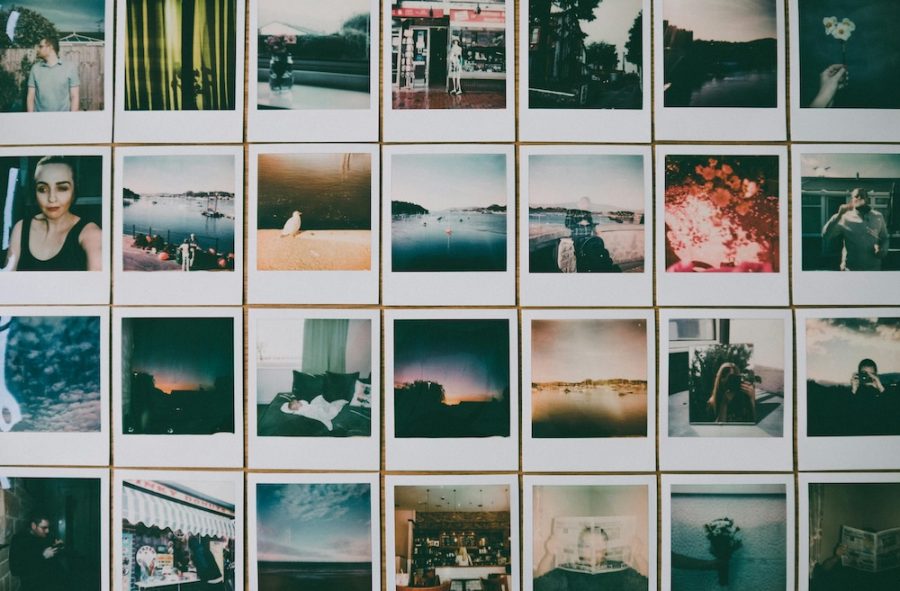
I feel like people oversimplify 2016 to be all about chokers, Kylie lip kits, etc. When in reality it was more about vibes and attitudes rather than clothing trends. It’s the way society felt as a whole that made 2016 feel superior. Something that is very misremembered is how casual everything was. We didn’t care to edit our photos to make us look perfect. We posted photos in outfits we already wore before. We didn’t overstyle our outfits. We posted blurry photos. Everything wasn’t so “performative” back then. That’s what makes 2016 so special.
3. Do you think 2016 was actually better, or did it just feel lighter because of where we were culturally?
I think it felt lighter, not necessarily “better.” Back then people were less online and less hyper aware in a way that made posting feel more free. We also weren’t as obsessed with social media as we are nowadays. I feel like we didn’t compare ourselves as much, and there wasn’t as much pressure to be portrayed as “perfect” online. For example, people would post random selfies or casual pictures on Instagram. It wasn’t so posed and performative. Social media felt more personal. Now it feels like we just want to portray ourselves as perfect. We didn’t care as much about how many likes or views we got. We just posted because we wanted to. It wasn’t so serious back then.
4. Why do you think creators are reaching back to 2016 right now in 2026?
I think it is reminding people that social media used to be fun and carefree. We want that authenticity back. Social media seems so strategic and money hungry now. We constantly see ads everywhere. It feels like it’s all about branding, making money, and algorithms. None of that is authentic. We want the energy 2016 had. Life really isn’t that serious. We need to stop caring about opinions so much and go back to not being afraid of being ourselves.
 5. Do you see this as nostalgia, rebellion, comfort, or something else?
I see it as a mix of comfort and rebellion. I say comfort because it reminds us of social media as being less overwhelming and simpler. As for rebellion, I see it as people going against the “rules” of social media and being imperfect and flawed.
6. How does posting in a “2016 style” perform compared to hyper polished 2026 content?
Shockingly, my 2016 content performs the best. People are living for the 2016 content and comment on how refreshing it is, which proves my point. We crave authenticity. We don’t want to be perfect 24/7. It feels more alive and less staged. It feels much more genuine and happier. It’s like a breath of fresh air.
7. Do you feel freer or more restricted posting throwback style content today?
I feel a lot more free. Posting this type of content removes a lot of pressure to be “perfect” or overly curated. It’s more of a feeling than a performance. I’m allowed to be less flawless and more authentic. The vibe and energy are what really made 2016 what it was.
8. If 2016 TikTok existed back then, what do you think creators would’ve done differently?
In a way, we did have it back then. It was Musical.ly instead. The difference is that it was less performative and posed. It was all about posting videos for fun and not caring about how many likes or views you got. It was much more casual. If creators used it back then, I feel like they would have been more carefree instead of it feeling like a job.
 9. What visual cues instantly signal “2016” to your audience?
I would say the vibes for sure. The candid photos, wired headphones, throwback summer songs, palm trees, messy hair, old iPhones, and nostalgic outfits bring back memories and make everyone crave more.
10. Are there any 2016 trends you refuse to bring back?
Honestly, no. There isn’t a trend I refuse to bring back. I say let’s bring it all back. I live for the whole carefree energy. It’s more about celebrating the spirit rather than specific trends.
11. What’s one 2016 trend you think actually deserves a serious comeback?
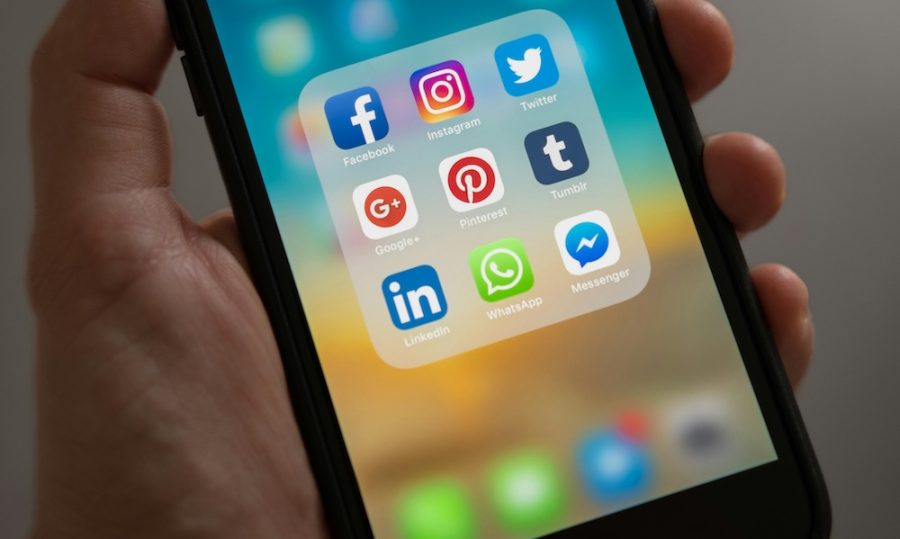
TUMBLR! Can we please make Tumblr popular again? It was a way to express yourself and be creative. The fandom posts were everything, like One Direction and 5SOS. There were so many fan blogs. Tumblr felt like a safe place. It felt personal. You could personalize your page to fit your aesthetic, and we posted things because we liked them, not for clout.
12. Do you think creators felt more “themselves” online in 2016 than they do now?
Oh for sure. We weren’t afraid to post. We posted things that we wanted, not what we thought would perform well or get the most likes. For example, James Charles. His posts felt like he was genuinely doing what he loved, and it felt fun and spontaneous. Along with Kylie Jenner, her “King Kylie” era was her prime. She wasn’t afraid to express herself. She was authentic and wore whatever she wanted. Her style was everything. She didn’t care as much about what people thought or how they perceived her.
13. Has bringing back 2016 vibes changed how you feel while creating?
Bringing back 2016 vibes has made creating more fun and has brought back good memories.
14. Is this trend about nostalgia or about reclaiming a version of ourselves that felt less surveilled?
I would say it’s about reclaiming a version of myself. We want to be able to post freely and casually. We are posting because we want to, not because it’s what we think others will enjoy. We should be able to post for ourselves. We should stop caring about how many likes we get or if people will judge. Post because you want to. That’s what makes you more authentic and helps you stand out.
15.. How do Gen Z vs Gen Alpha audiences respond to 2016 aesthetics?For Gen Z, I feel like we see it as nostalgic and comforting. We crave that energy and it hits us emotionally. For Gen Alpha, they see it as new and fun and want to experiment with it.
16. Are you creating for people who lived through 2016 or people discovering it for the first time?
I would say both. Some people experienced it themselves and love the nostalgia, while others want to experience it for the first time. I try to make content that feels authentic to me and let both audiences connect in their own way.
17. What do you think people in 2036 will be nostalgic for from right now?
I think people will miss how fun it was. The funny, unfiltered videos, memes, and trends we’re creating now. They’ll look back and see how carefree we were and how everyone was expressing themselves. I hope we make 2026 so good that people say they want “2026 energy” back the way we do with 2016.
18. If 2016 taught us anything about internet culture, what is it?2016 showed us that social media is better when people aren’t afraid to be their true selves. Authenticity hits harder than trying to portray ourselves as perfect. People posted because it was fun, not because they were trying to be famous.
19. Do you think this is a moment or the beginning of a longer shift toward lo fi, less curated content?
I feel like this is the beginning of a longer shift toward lo fi. We’re tired of having to present ourselves as perfect all the time. We want social media to be fun again. We don’t want to be afraid to post. People don’t want to try so hard anymore. We want that casual, fun, effortless energy back. This vibe is here to stay.
The resurgence of the 2016 aesthetic on TikTok reflects more than a nostalgic appreciation for past fashion and visual trends. Across creator responses, a consistent theme emerged that emphasized authenticity, freedom of expression, and a longing for a time when social media felt less performative and less surveilled. While each creator experienced 2016 differently, many described the era as emotionally lighter and creatively freer, qualities that feel increasingly rare in today’s highly curated digital environment.
Rather than simply revisiting the past, this trend appears to function as a form of reclamation. Creators are not only reviving familiar aesthetics but also redefining how they want to show up online. Whether this shift toward lo fi, less curated content becomes permanent or remains a moment in time, the return of 2016 aesthetics highlights a growing desire for connection, imperfection, and joy in digital spaces. In that sense, the trend is less about going backward and more about carrying forward what once made online culture feel fun, personal, and human.
————